


Explainer / Vacation ownership
Claim Your Travel CertificateWhat Is a Timeshare?



A timeshare is a contract that gives you the right to use a vacation property, usually a resort condo, for a set time each year, such as one week. You pay an upfront price plus yearly maintenance fees. What you hold is a share of time, either as a deeded interest or a right-to-use agreement.
TL;DR
- You buy time at a resort, as a fixed week, a floating week, or points. You do not buy the building.
- Owners usually pay yearly maintenance fees whether or not they travel, and those fees tend to rise.
- You can often cancel within a short rescission period after signing. State law or the contract sets it.
- Reselling is often hard. If you want variety without owning, a travel club is another route.

Exchange · Cabo San LucasAn exchange might land you somewhere like this, if a matching week is on deposit when you ask.
Most people first hear the word "timeshare" at a resort sales desk, often with a free breakfast or a discounted stay attached. This page explains what a timeshare is in plain terms: what you actually buy, what you pay every year, how cancelling and reselling work, and how it compares with simply joining a travel club.
We sell travel club memberships, so we have a point of view. We have kept the timeshare facts neutral and linked the government sources, so you can check every claim yourself. Keep scrolling to gather the questions, then tap a card to jump to that part.
A contract for the right to use a vacation property for a set time each year.
Read the definition Six stepsHow it worksFrom the invitation and presentation to the yearly bill and booking your week.
See the steps Deeded · Right-to-useTypesDeeded or right-to-use, then fixed week, floating week, points or biennial.
Compare the types Every yearThe yearly billMaintenance fees are owed whether or not you travel, and special assessments can come on top.
See the costs RescissionCancellingMany contracts include a short cooling-off period, set by state law or the contract.
Read the rules AlternativeTravel clubLow, fixed monthly dues with no maintenance fees or special assessments.
Travel club guideThe definition of timeshare, part by part
The definition of timeshare is simple once you split it into parts. A resort divides each unit into slices of time. Many buyers share the same unit, and each one gets the right to use it during their own slice, most often one week a year. The Federal Trade Commission describes it as paying for the right to use one or more vacation properties, usually with an initial fee plus regular maintenance fees and other recurring charges.
Fig. 1 / Anatomy of a timeshareDiagram, not to scale
- 1The resortThe building and grounds. A developer builds or buys it, and a management company runs it.
- 2Your unitOne condo or villa, shared by many owners. Deeded owners hold a real property interest in it.
- 3Your intervalYour slice of the year: a fixed week, a week you pick within a season, or points.
- 4The contractA deed or a right-to-use agreement. It sets your rights, fees and any cancellation window.
- 5The yearly feeMaintenance fees owed every year you hold the timeshare, used or not.
- 6The exchange loopOptional programs that let you trade your time for another resort, usually for a fee.
So what a timeshare buyer gets is time at a resort. Even a deeded owner holds one unit for one week, which is why the FTC says the value of a timeshare lies in its use as a vacation, not as an investment.

How does a timeshare work?
Here is how a timeshare works from first contact to a typical year of ownership. The details vary by developer, but the sequence below is common.
- STEP 01The invitationA free stay, gift or tour invites you to a sales presentation at the resort.
- STEP 02The presentationSales staff show units and prices. The FTC warns buyers about pressure to sign the same day.
- STEP 03The contractYou sign a deed or right-to-use agreement. A short cancellation window often starts here.
- STEP 04The purchaseYou pay the purchase price up front, or finance it.
- STEP 05The yearly billEvery year you pay maintenance fees and taxes, plus any special assessment.
- STEP 06The bookingYou reserve your week or spend points, or pay to trade through an exchange.
Two parts of this flow surprise people most. First, the bill in step 05 continues whether or not you travel that year. Second, a timeshare is governed by the laws of the state where the property sits, which may not be the state you live in.
Types of timeshares: deeded, right-to-use, weeks and points
Every timeshare combines two choices: what kind of right you hold (deeded or right-to-use) and how your time is scheduled (fixed week, floating week, points, or every other year).
Deeded vs right-to-use vs points, side by side
| Deeded | Right-to-use | Points-based | |
|---|---|---|---|
| What you hold | Real property: a unit for a set week | A contract to use the resort | A yearly allotment of points |
| How long | Usually no end date | A set number of years | Depends on the contract |
| Can heirs inherit? | May pass to heirs | Ends with the term | Depends on the contract |
| Where you stay | Your home resort, or an exchange | The resort named in the contract | Resorts in the brand's network |
| Yearly cost | Maintenance fees and taxes in all three, plus any special assessments | ||

Timeshare maintenance fees and special assessments
The purchase price is only the first cost. The FTC suggests adding up everything before you commit: the initial payment, fees, taxes and the cost of getting there, plus any other yearly charges. Grouped together, the true cost of a timeshare has three layers.
Paid up front or financed. Financing adds interest to the total.
Cover upkeep, staff and property taxes. Owed whether you travel or not.
Special assessments, exchange fees, point upgrades and your own travel.
Timeshare maintenance fees are set by the resort and billed every year. According to the FTC, they typically increase at rates that equal or exceed inflation, so it is worth asking whether your plan has a fee cap. You pay them even in years you do not use your time.
Special assessments are one-time charges the resort can bill owners for big costs, such as a new roof or storm repairs, on top of the regular fee. Ask how often the resort has billed them and how the reserve fund is managed.
Timeshare exchange: trading your week
Many owners do not want the same resort every year. Exchange programs let you deposit your week or points and request a stay somewhere else in the program's network. It widens your options, with two catches. You can only book what other owners have deposited, and there is usually a charge. The FTC advises asking whether there is an extra fee for booking through the exchange, or different charges for different types of properties.
The timeshare rescission period: can you cancel?
Often, yes, but only for a short time. Many timeshare contracts include a right of rescission, also called a cooling-off period: a window after signing when you can cancel. There is no single national length. State law or your contract sets it, and rules follow the state where the property is located.
If you decide to cancel, the FTC recommends sending a letter to the seller by certified mail with a return receipt, so you have proof of the date. Ask about the cancellation window before you sign, and take the paperwork home to read.
To check the rules where your resort sits, contact that state's consumer protection office. USA.gov keeps a directory of state consumer protection offices. The FTC's guide, Timeshares, Vacation Clubs, and Related Scams, covers presentations, contracts and resale in more depth.
How to get out of a timeshare
Once the rescission window closes, leaving gets harder. The FTC says the resale market is overcrowded and it might be hard, if not impossible, to sell, and that you should not assume you will get back what you paid. The safest first step is free: call the developer or the resort's management company and ask whether it runs an exit or deed-back program.
Be careful with companies that promise to get you out. The FTC lists these warning signs of timeshare exit and resale scams:
- Calls or messages you did not ask for, offering to help you exit
- "Guarantees" that they can cancel your contract or sell fast
- Large fees demanded before any work is done
- Advice to stop paying your mortgage or maintenance fees
If you do hire help, the FTC suggests a reseller who collects fees after the sale, agents licensed in the state where the timeshare is located, and every promise in writing.
Are timeshares worth it?
For some people, yes. A timeshare can suit a family that loves one resort, takes the same week every year, has budgeted for rising fees, and plans to keep it for the long run. It is a poor fit if you want to travel somewhere new each year, if your schedule changes, or if you are counting on resale value. Run through these questions before you sign anything:
- Will I use it every year? The fee arrives either way.
- What did the maintenance fee do over the past several years? Ask for the history in writing, and whether there is a cap.
- Deeded or right-to-use? And when, if ever, does the contract end?
- How long is the cancellation window? Get the exact clause.
- What does exchange cost? Membership plus per-trade fees add up.
- Why is today's price only good today? The FTC calls that kind of rush a warning sign.
The travel club alternative to a timeshare
A travel club is a membership, so there is no unit, no deed and no week to manage. You pay dues and book trips at member rates across the club's network. We cover the full breakdown in What Is a Travel Club? and compare the three models head to head in Vacation Club vs Timeshare.
Here is how World Sky Travel Club lines up against the timeshare parts in Fig. 1:
- The resort (1) and unit (2): none to own. Members book from 4,000+ resorts and hotels in 100+ countries at member rates.
- The interval (3): no fixed week. Pick dates and places trip by trip.
- The yearly fee (5): low, fixed monthly dues, with no escalating maintenance fees, no assessments and no points to chase.
- Beyond the room: Caribbean and Mexico cruises, airfare, rental cars, theme park tickets and guided tours at member pricing.
- Price check: the 200% Promise, Guaranteed Lowest Price or Double the Difference back in Cash.
Membership is the whole advantage. Your dues stay fixed and your access does not shrink.
World Sky Travel Club
"We recently completed our sixth online booking, and every time has been seamless and exceptional. We truly appreciate the financial savings and the impeccable service."

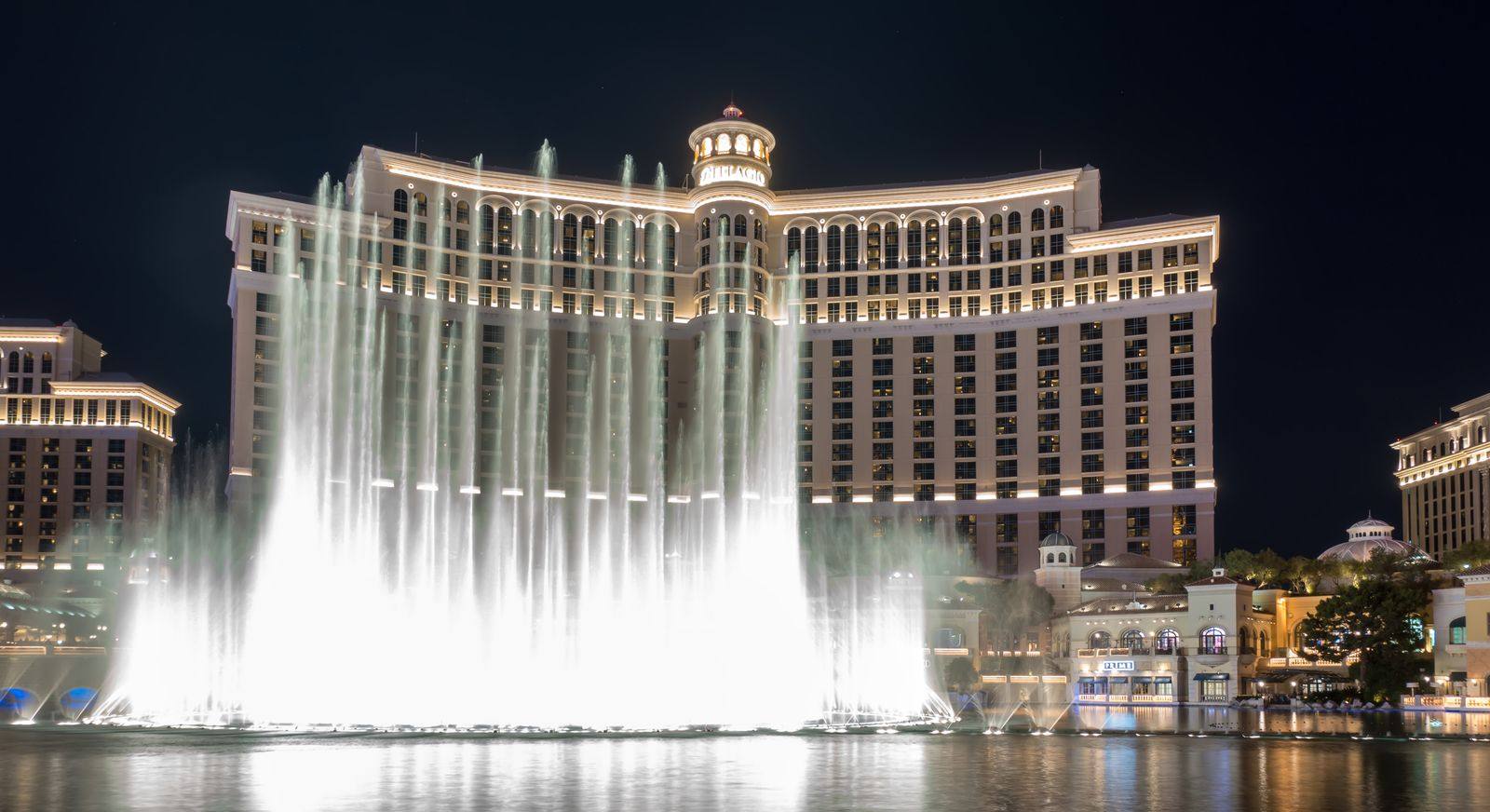
World Sky is based in Las Vegas; you can read who we are or see what the free vacation offer includes. The guest trip comes with a vacation club orientation, where the Dining Advantage Card and Bonus Trip Certificate are issued, so you hear the full membership details in person before deciding anything.
Questions first? Contact our Las Vegas team or call 855-557-2582.
Test member travel first
Want variety without owning?
Start with 2 nights in Las Vegas or Orlando and a $100 Dining Advantage Card, then pick a bonus trip.
Claim Your CertificateTimeshare FAQ
What is a timeshare?
A timeshare is a contract that gives you the right to use a vacation property for a set time each year, such as one week, or a set number of points. You pay an upfront price, then yearly maintenance fees for as long as you hold it.
How does a timeshare work?
You buy an interval, a week or a block of points, at a resort, usually after a sales presentation. Each year you reserve your time, pay the maintenance fee, and either stay at your home resort or trade through an exchange program, often for an extra fee.
What is the difference between a deeded and a right-to-use timeshare?
A deeded timeshare is real property: you own a specific unit for a specific week, and your heirs may inherit it. A right-to-use timeshare is a contract to use the resort for a set number of years. You do not own real estate, and the right ends when the term runs out.
How much are timeshare maintenance fees?
It depends on the resort and the unit. The FTC says most timeshares charge a yearly maintenance fee that typically rises at or above the rate of inflation, and owners pay it even in years they do not travel. Special assessments for major repairs can come on top.
Can I cancel a timeshare after I sign?
Often, yes, but only for a short time. Many contracts include a right of rescission, also called a cooling-off period. State law or the contract sets how long it lasts, so read that clause before you sign and send any cancellation by certified mail with a return receipt.
How do I get out of a timeshare?
Start with the developer or the resort's management company and ask about exit programs. Selling can be hard because the resale market is crowded. The FTC warns against companies that call you out of the blue, guarantee a sale, or demand large fees up front.
Is a travel club a good timeshare alternative?
It can be, if you want to travel to different places without owning property. World Sky Travel Club members pay low, fixed monthly dues with no maintenance fees or special assessments, and book resorts, cruises, flights, cars and tours at member rates.
This page is general information about timeshares, not legal or financial advice. Timeshare laws and cancellation periods vary by state and by contract; check with the consumer protection office in the state where a property is located. World Sky member rates, availability and destinations vary and can change. Be Our Guest terms: valid for two adults over 21; 30 days advance scheduling; subject to availability; Sunday to Thursday nights (Friday and Saturday may be available for a surcharge); transportation, incidentals and daily resort fees not included; one voucher per household; no cash value; group travel prohibited; refundable $100 deposit required before traveling; Dining Advantage Card and Bonus Trip Certificate issued at vacation club orientation.
Questions about timeshares? Ask a real person.
Our team in Las Vegas can explain how membership works, or you can start with a free guest trip.